
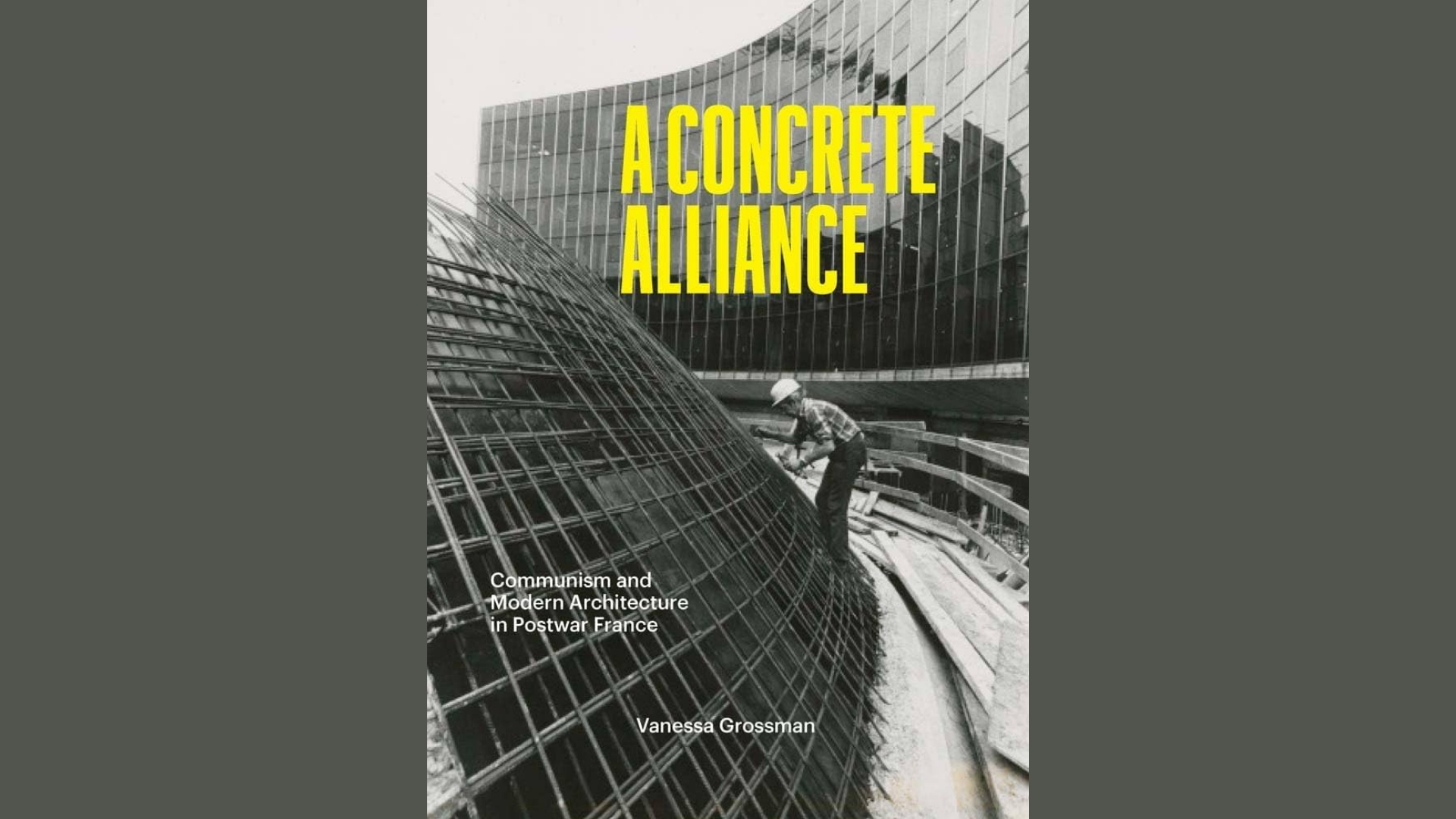
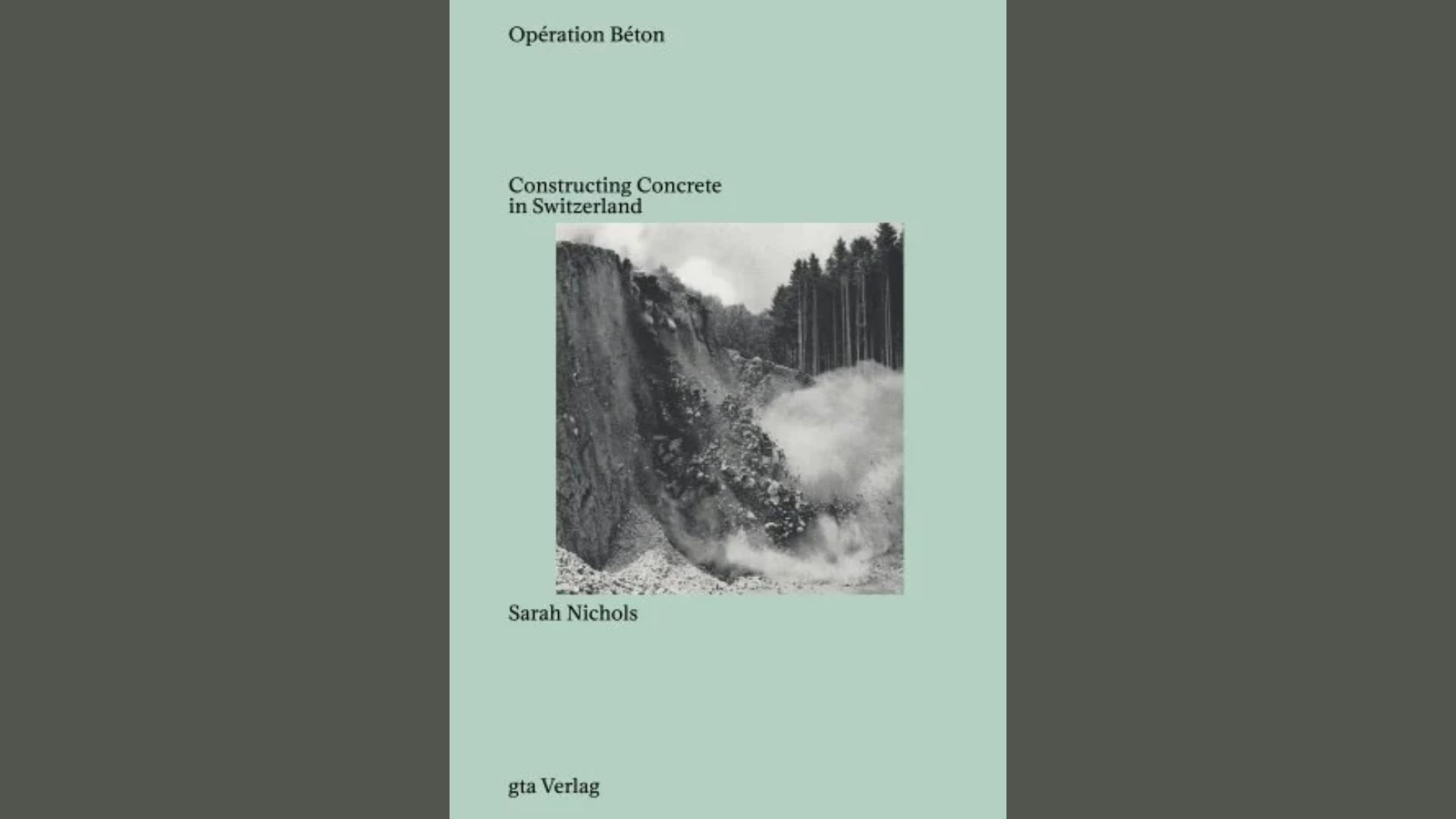
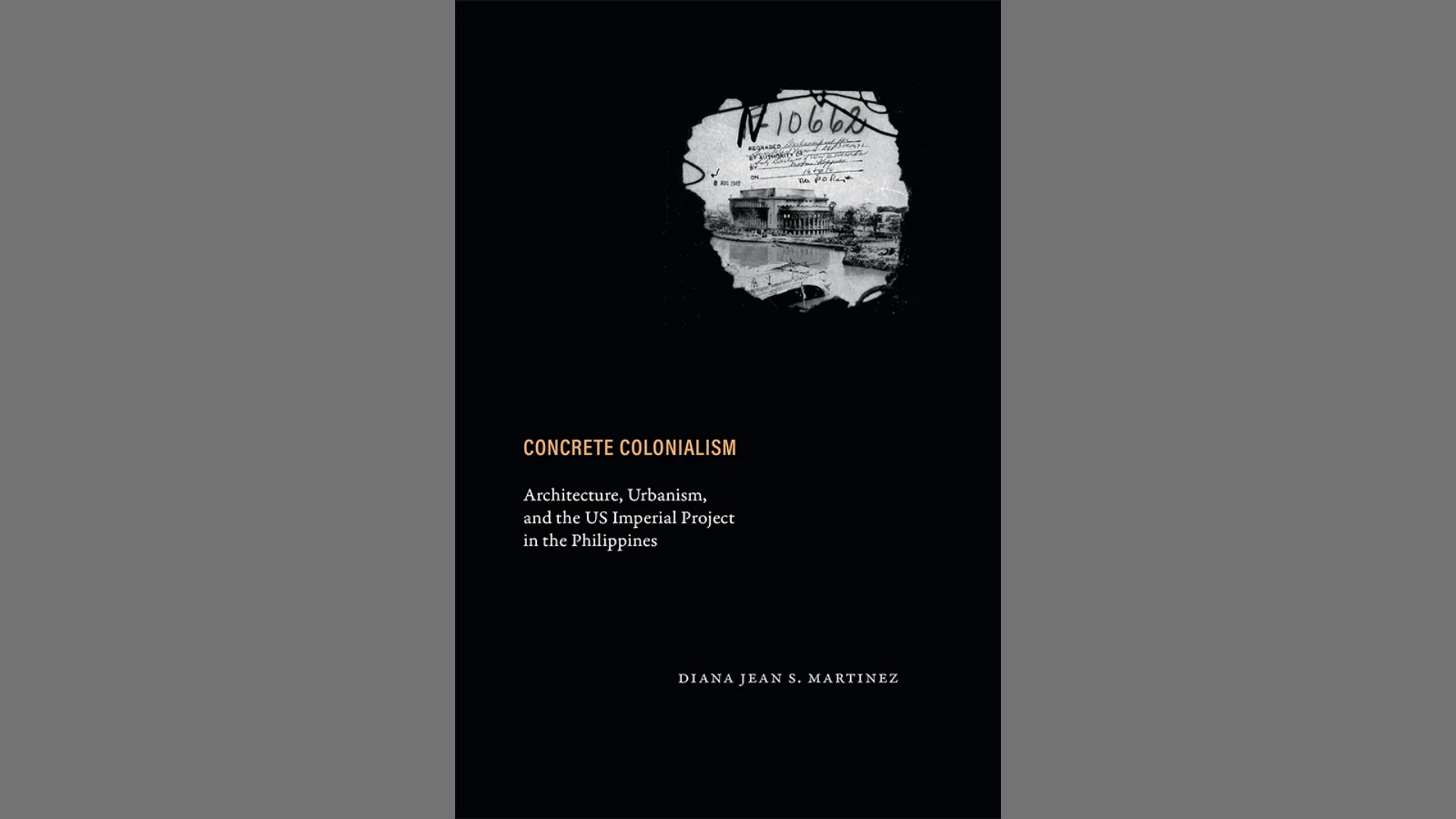



In 20th century architecture, concrete promised to standardize buildings all over the world. Yet when it came to construction, concrete buildings were—and are—situated, planned, and constructed locally. Aggregate comes from local gravel pits; cement often comes from locally-extracted limestone. These processes are environmentally damaging across scales, both through extraction and through the energy- and emissions-intensive heating of limestone. Recently published books by Vanessa Grossman (UPenn), Diana Martinez (UC Berkeley), and Sarah Nichols (EPFL) pinpoint important aspects of concrete: its local requirements, its global connections, and the political-economic ramifications of concrete construction. These studies look at concrete in France, the Philippines, and Switzerland.
You are invited to join us for the opening keynote discussion of World Concrete/ Concrete Worlds, a 2-day symposium on concrete as a building material with significant aesthetic, ecological, and economic effects.
Organized by Daniels PhD candidate Katie Filek, whose research centers on Canadian concrete and foreign construction companies, and Professor Claire Zimmerman, Director, PhD in Architecture, Landscape, and Design.
Participants
EPFL (Sarah Nichols), Jackman Humanities Institute, The University of Toronto, Daniels Faculty of Architecture, Landscape, and Design, (Claire Zimmerman, Katie Filek), UPenn (Vanessa Grossman), UC Berkeley (Diana Martinez)Acknowledgements
Accessibility
Who should visitors contact with questions regarding accessibility?
Is this venue accessible by wheelchair or similar mobility devices? This includes access to washrooms and all aspects of programming/events.
Can people get to the venue using accessible transit?

