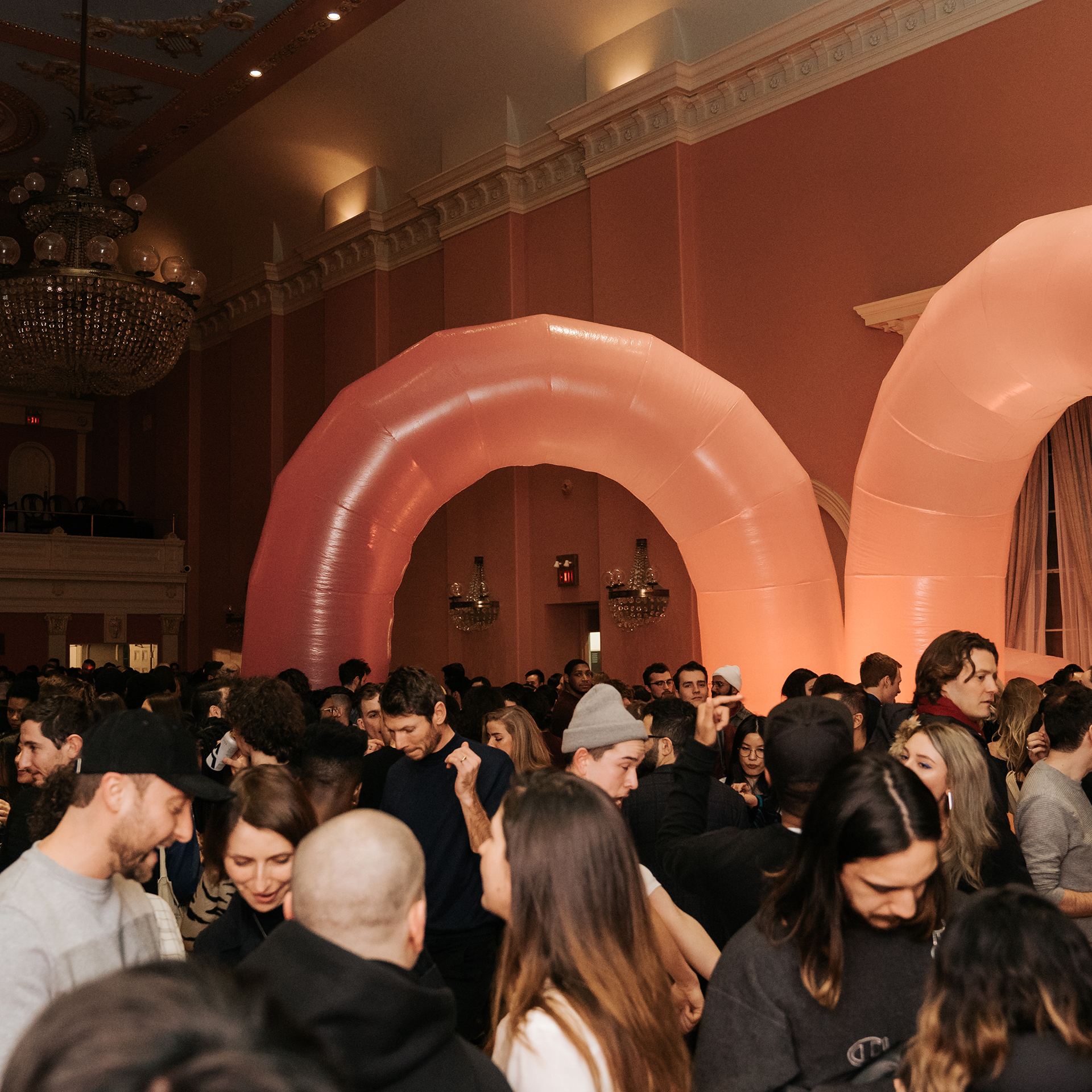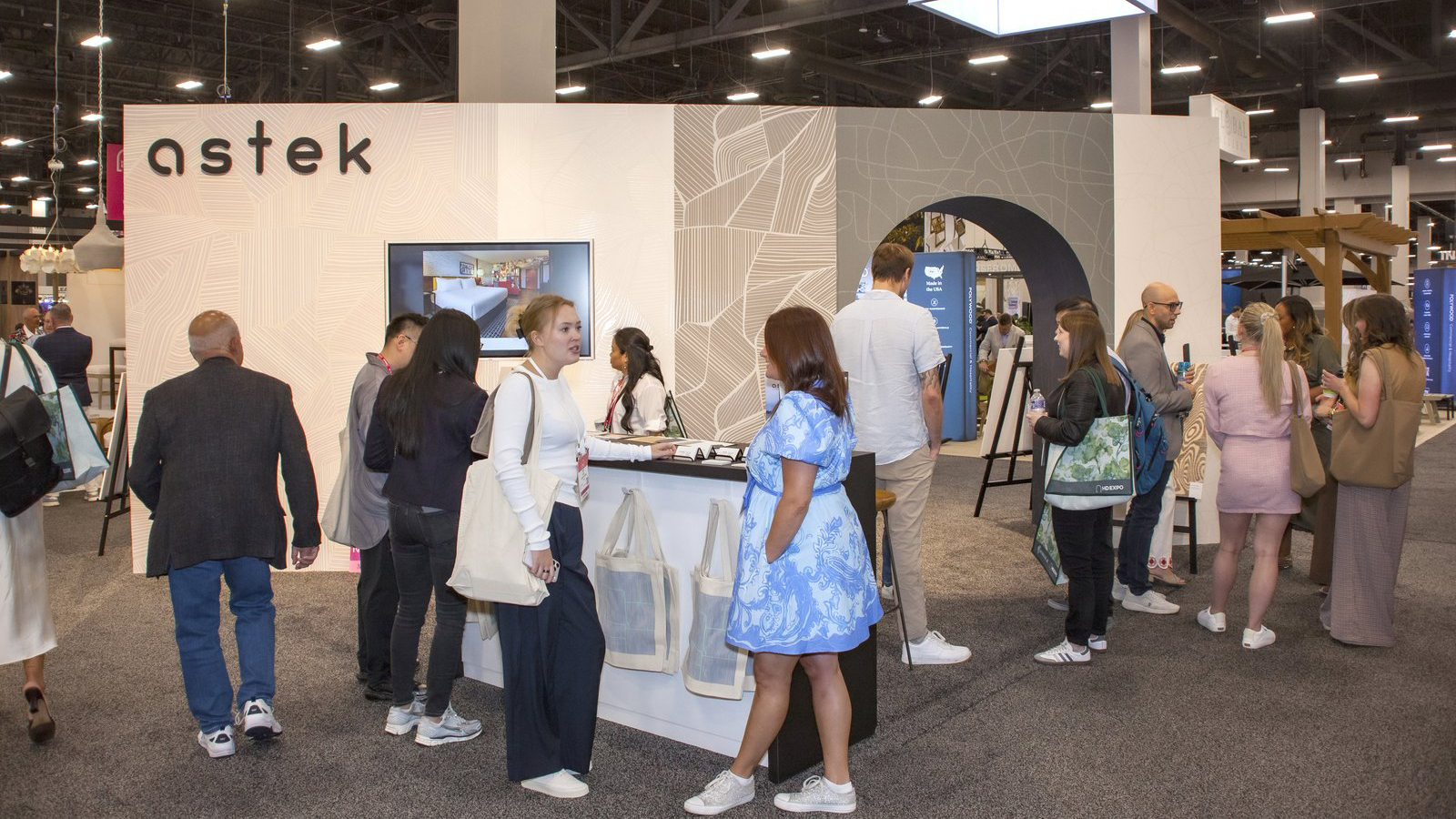
Design has the remarkable ability to influence how people feel, interact, work, and thrive. Whether it’s a healthcare facility designed to reduce stress, a hotel that creates memorable guest experiences, or a workplace that encourages creativity, thoughtful design shapes the quality of everyday life.
This belief sits at the heart of Astek, a Los Angeles based design and manufacturing company specializing in digitally printed wallcoverings and architectural surfaces. Through advanced printing technology, environmentally conscious manufacturing, and collaborative design, Astek demonstrates how creativity and innovation can transform interior environments while reducing environmental impact.
Rather than treating design as decoration, Astek approaches every project as an opportunity to solve real-world challenges through sustainable design, innovative technology solutions, and ethical design practices.
Design Meets Technology
Today’s built environments demand more than attractive finishes. Architects, interior designers, healthcare planners, hospitality developers, and commercial clients increasingly seek products that balance aesthetics, performance, and sustainability.
Astek addresses these needs by combining an in-house creative studio with advanced UV digital printing technologies capable of producing highly customized wallcoverings across a wide range of materials. This integration of design expertise and manufacturing technology produces projects that are both visually compelling and technically sophisticated.
Astek combines creative design, technical expertise, and large-format digital printing to help clients bring unique environments to life while maintaining exceptional quality and color precision. Their VOC-free printing process also reduces environmental, and workplace impacts compared to conventional solvent-based printing methods.
This combination illustrates an important principle of modern design thinking:
Technology should amplify creativity, not replace it.
Sustainable Design Beyond Aesthetics
One of the strongest examples of Astek’s contribution to sustainable design is its commitment to environmentally responsible production.
Sustainability is no longer a niche concern. Designers increasingly consider the complete lifecycle of materials, from manufacturing and installation to long term environmental impact.
Astek has incorporated sustainability into several aspects of its production process, including:
- VOC-free UV digital printing
- GREENGUARD Gold certified inks
- PVC-free wallcovering options
- Recycled content substrates
- Packaging containing more than 55% post consumer recycled materials
- Continuous waste reduction initiatives
These practices support healthier indoor environments while helping architects and designers pursue green building certifications such as LEED.
Rather than producing excess inventory, digital printing also enables on-demand manufacturing, reducing waste associated with traditional production methods. This demonstrates how innovative technologicaly solutions can contribute directly to environmental responsibility.
Within Astek’s sustainability commitment, the company continually evaluates opportunities to improve material efficiency while expanding environmentally preferable product options.
How Technology Enables Better Design
Digital manufacturing has fundamentally changed what designers can achieve.
Instead of relying on limited repeating patterns, contemporary digital workflows allow designers to create fully customized graphics and client specific solutions.
This flexibility empowers architects and designers to create spaces that better reflect local culture, organizational identity, and user experience.
Technology becomes a creative partner rather than simply a production tool.
Design for Social Impact
Design influences more than visual appearance, it affects health, accessibility, inclusion, and emotional wellbeing.
Research consistently shows that thoughtfully designed environments can:
- Improve patient recovery experiences
- Reduce workplace stress
- Encourage collaboration
- Support learning
- Increase visitor engagement
- Foster stronger community identity
Because wall surfaces occupy significant visual space within buildings, they play an important role in shaping these experiences.
Hospitals may use calming natural imagery.
Educational institutions can reinforce learning through environmental graphics.
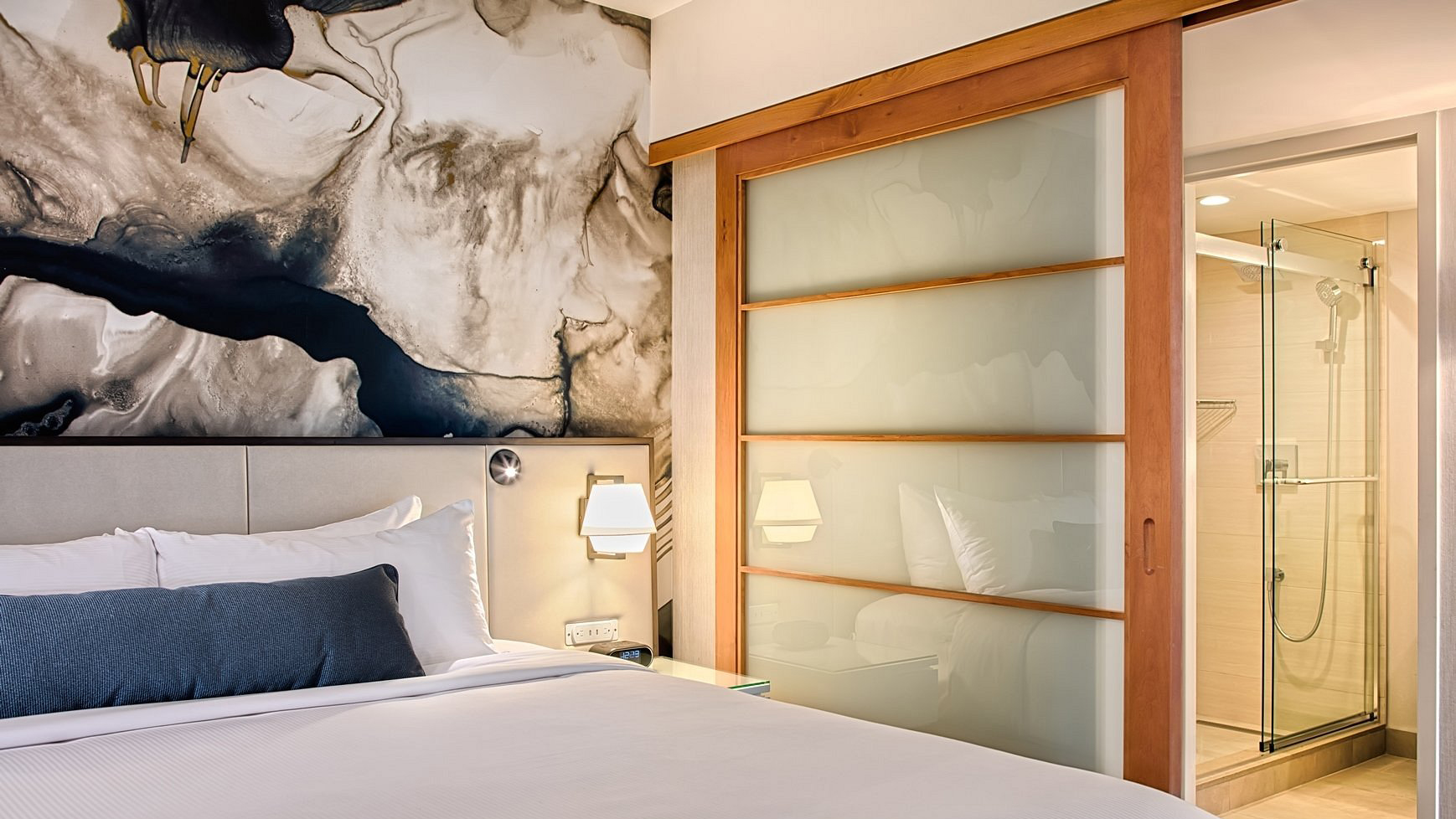
Hospitality environments can strengthen local storytelling through custom artwork.
Corporate offices can express organizational values while improving employee experience.
In each case, design becomes a tool for positive social impact rather than simple decoration.
Ethical Design Practices Matter
Ethical design extends beyond environmental sustainability.
It also considers:
- Human health
- Responsible manufacturing
- Material transparency
- Product longevity
- Resource efficiency
- Collaboration with design professionals
Astek’s emphasis on VOC-free production and environmentally preferable materials reflects a growing industry recognition that the healthiest design solutions should also be responsible manufacturing solutions.
Ethical design asks an important question:
How can beautiful products create positive outcomes throughout their entire lifecycle?
Companies embracing this mindset help move the design industry toward greater accountability and long term sustainability.
Design Thinking as a Driver of Innovation
Design thinking encourages organizations to begin with people rather than products.
Instead of asking:
“What can we manufacture?”
Design thinking asks:
“What problems are people trying to solve?”
This approach typically includes:
- Understanding user needs
- Defining the design challenge
- Exploring creative possibilities
- Building prototypes
- Testing and refining solutions
Astek’s collaborative model reflects this philosophy by working closely with architects, interior designers, hospitality groups, healthcare organizations, and commercial developers to create custom environments using commercial wallcoverings, rather than standardized products.
The result is design that responds directly to human experience.
Design as a Force for a Better Future
Design is far more than surface. It shapes the environment where relationships between people, places, and technology happens.
Astek’s integration of creative design, digital manufacturing, and environmentally conscious production offers an encouraging example of how sustainable design and innovative solutions can work together to create spaces that are healthier, more inspiring, and more responsible.
As organizations across the world seek ways to reduce environmental impact while improving human experience, companies that embrace ethical design practices will continue to play an increasingly important role.
Astek reminds us that every surface, every material, and every design decision presents an opportunity to create environments that are not only beautiful, but also sustainable, and joyful.