Quan Thai with ACE HOTEL
What makes your home yours?
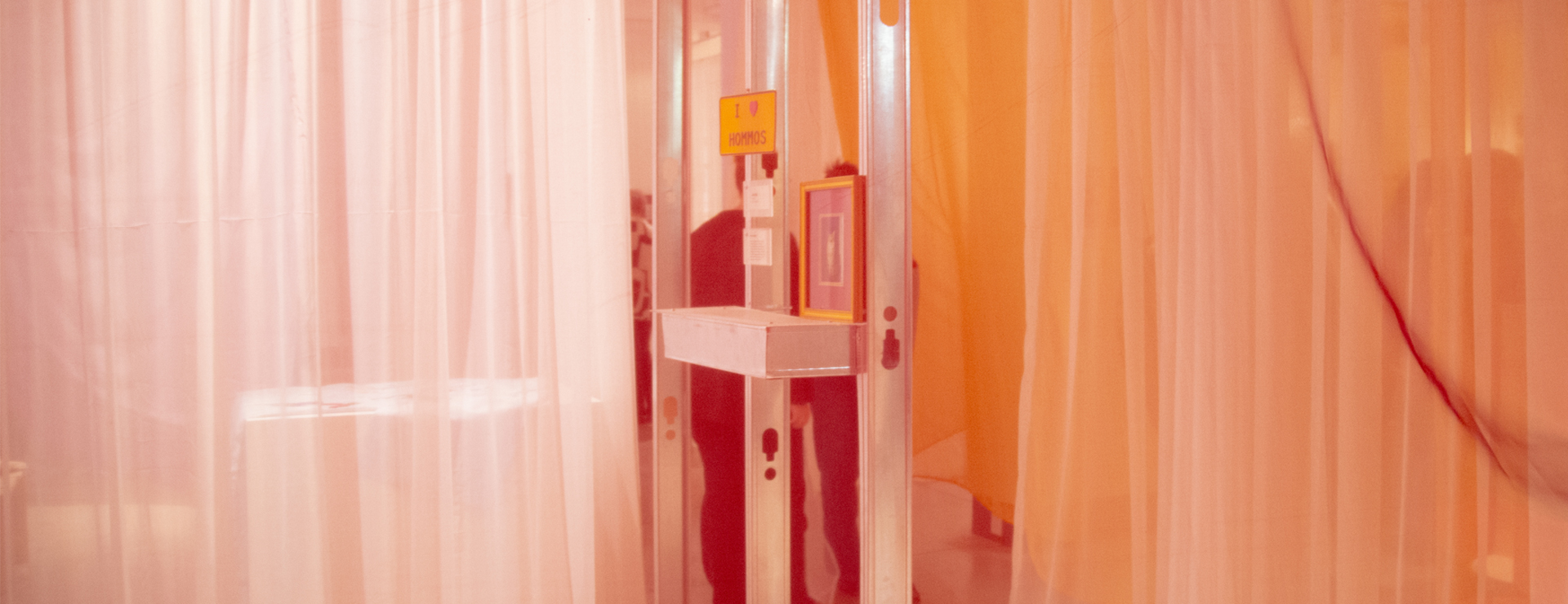
‘TO·BE·LONGING: Portraits of Queer Living’, an exhibition and installation by architect Quan Thai, explores how the places we live should truly reflect who we are. This panel discussion and exhibition tour critiques the boundaries of established societal ideas, challenging the “normal” functions and aesthetics of the domestic sphere.
The exhibition focuses on the resilience and belonging found in queer living, celebrating the fluidity and nuances of queer domesticity to meet the ever-changing needs and desires for self-determination. Featured in the show are intimate artifacts from the home: everyday objects collected from queer community members across North America. These items share powerful stories about queer identity, memory, and chosen family, defining the multiplicity of what ‘queer living’ looks like today.
Functioning as a living archive set within a fluid interpretation of home, you’re invited to engage, reshape, and rethink what “home” means to you. We will discuss how a space can adapt to varying needs—whether seeking a moment of privacy or a chance for vulnerability—and how the creation of home can cater more accessibly to diverse identities in search of inclusive manners of living.
‘TO·BE·LONGING’: Opening Reception
Join us for the opening reception on January 23rd in the Ace Hotel Toronto lobby as we celebrate the launch of our DesignTO partnership. The exhibition celebrates the fluidity and resilience of queer domesticity, transforming the traditional “home” into a living archive of identity and chosen family. Guests will be escorted upstairs to experience architect Quan Thai’s new work on view in Ace Suite 1004—an intimate introduction to the exhibition and the conversations it sparks.
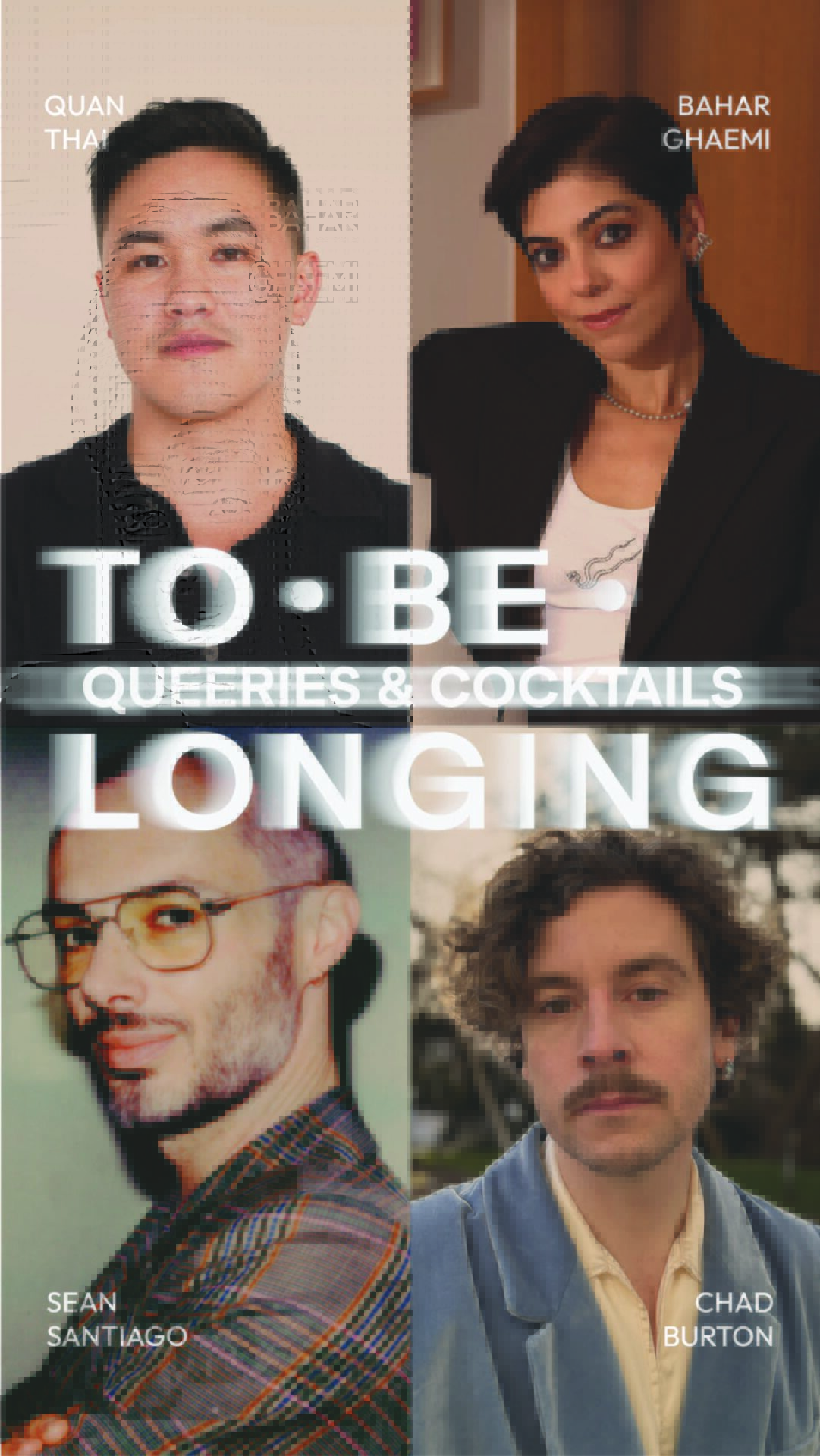
‘TO·BE·LONGING’: Queeries & Cocktails
As part of the DesignTO 2026 festival, architect and educator Quan Thai and Ace Hotel Toronto invites you to an intimate evening of “Queeries & Cocktails.” The discussion centers on the exhibition ‘TO·BE·LONGING: Portraits of Queer Living’, bringing together community contributed artifacts from the homes of our queer community and an immersive spatial experiment hosted in Suite 1104. The event prompts how queer experiences may shape and subvert the rigid, heteronormative domesticity of multi-unit housing.
Our panel brings together three distinct voices in visual storytelling, design, and theory to explore the relationships between the body, the object, and the space.
Host:
Quan Thai (he/him), Architect, Educator, and Curator of TO·BE·LONGING: Portraits of Queer Living
Panelists:
Chad Burton (he/him), Fashion Editor, Interiors & Product Stylist
Bahar Ghaemi (she/her), Creative Director of Product, Yabu Pushelberg
Sean Santiago (he/him), Design Editor-at-Large, Creative Director, Former Deputy Editor of ELLE Decor
Participants
Quan Thai, Georgia Barrington, Chad Burton, Bailey Dougherty, Bahar Ghaemi, Julia Mroz, Sean SantiagoAcknowledgements

Accessibility
Who should visitors contact with questions regarding accessibility?
Can people get to the venue using accessible transit?