‘Ensemble presents: Pot-au-feu’ Receives the Best in Festival: Exhibition Award, 2026 DesignTO Awards
Each year, the DesignTO Awards celebrate designers whose work expands how we think about design and its role in shaping the world around us. Through our Awards Recipient Spotlight series, we’re highlighting the artists and designers behind this year’s winning projects.
What does it mean to create an exhibition that feels both cohesive and open?
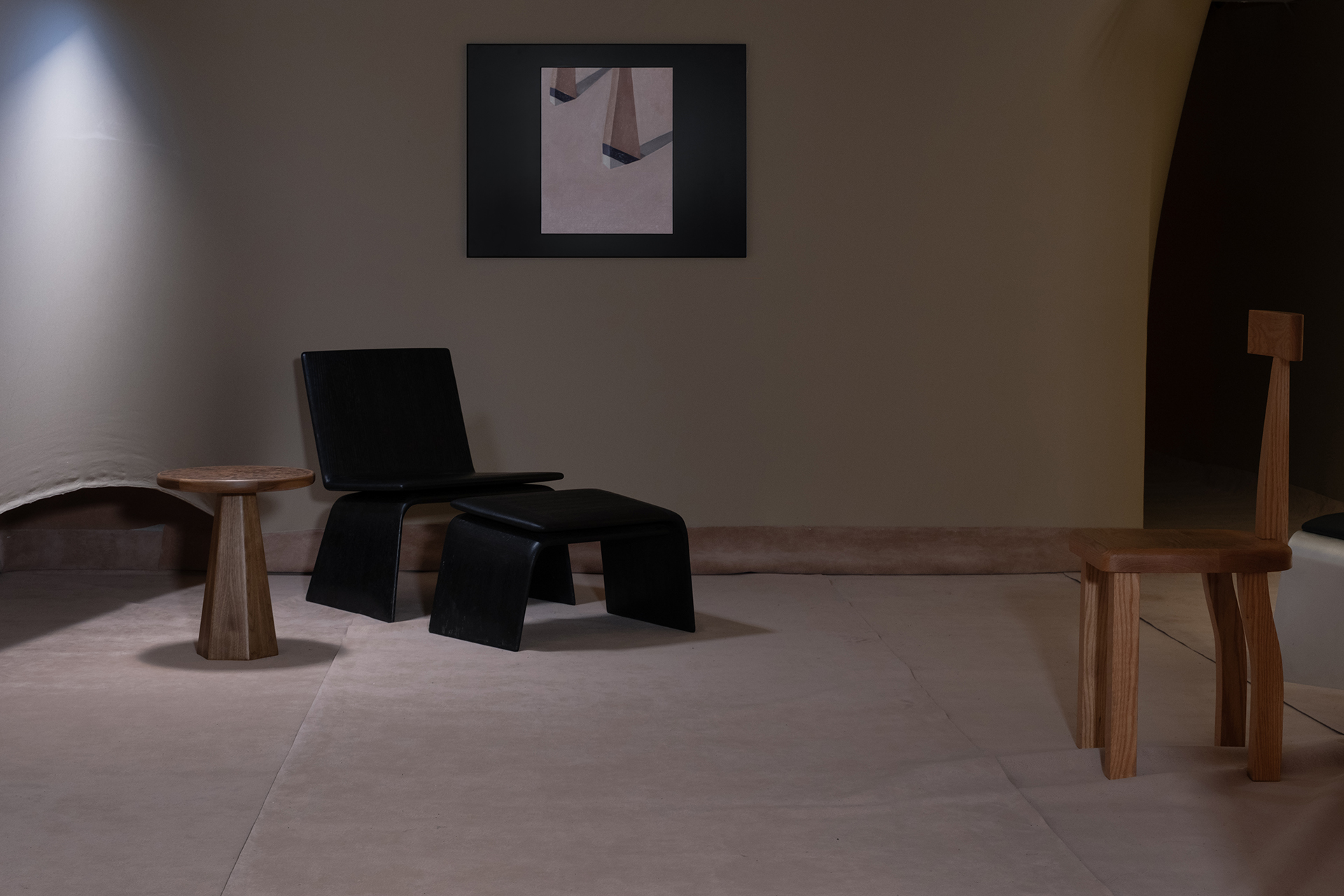
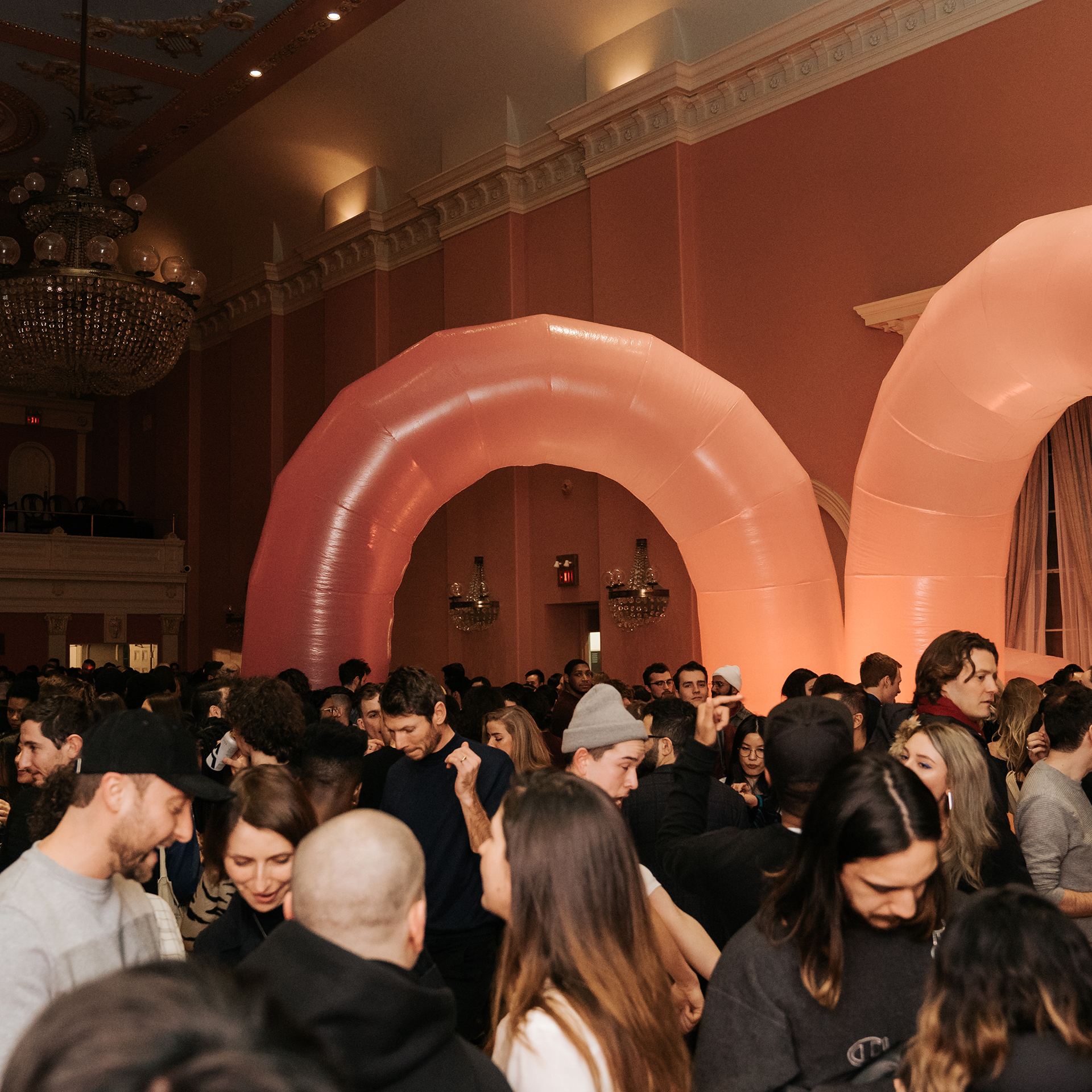
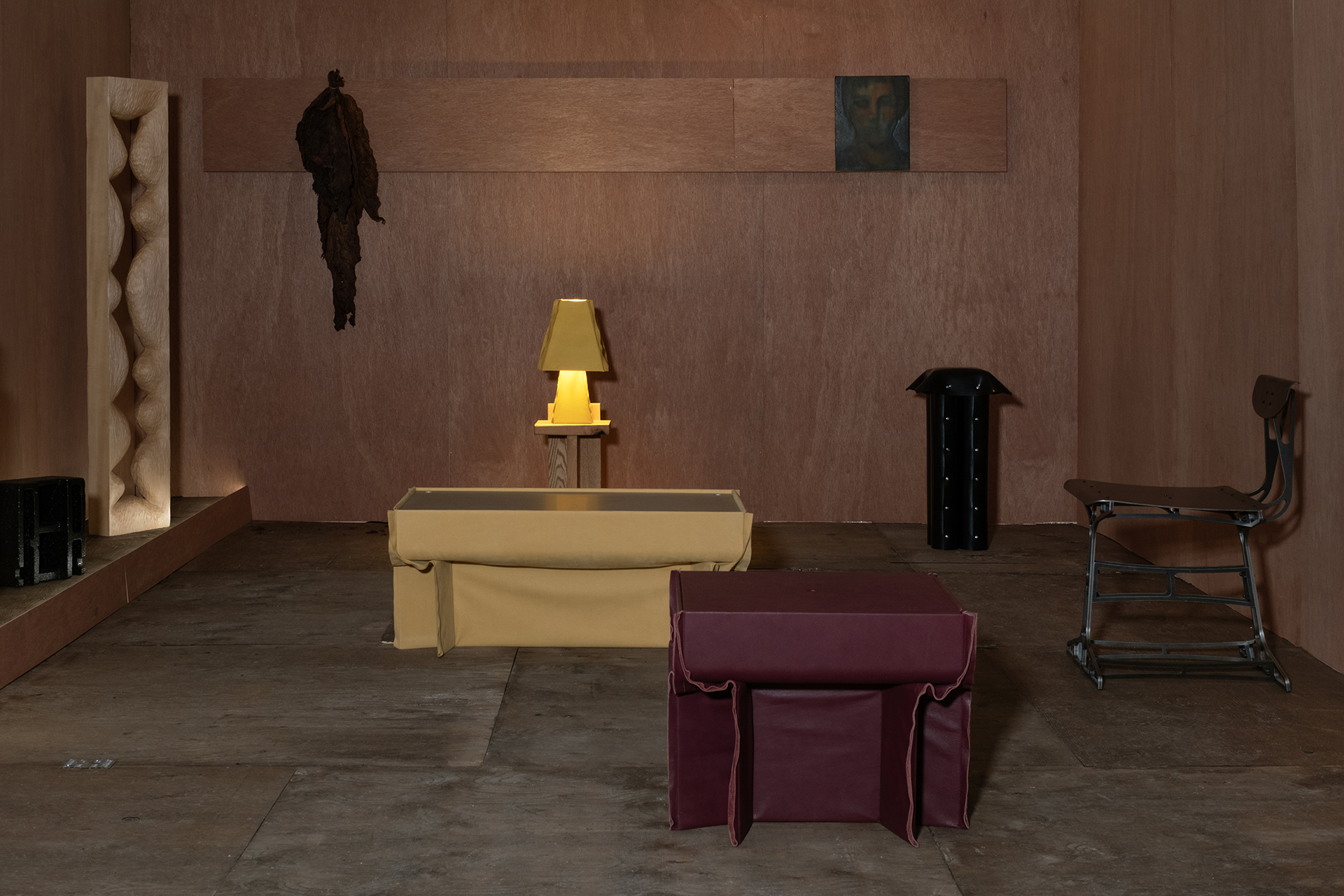
For Anaïe Dufresne, one of the organizers behind ‘Ensemble presents: Pot-au-feu’, the answer lies in creating space for dialogue, exchange, and distinct voices to exist together. Presented as part of the 2026 DesignTO Festival, the exhibition, which received the ‘Best-Festival: Exhibition’ award, brought together designers and makers in a shared environment that felt both intentional and intuitive.
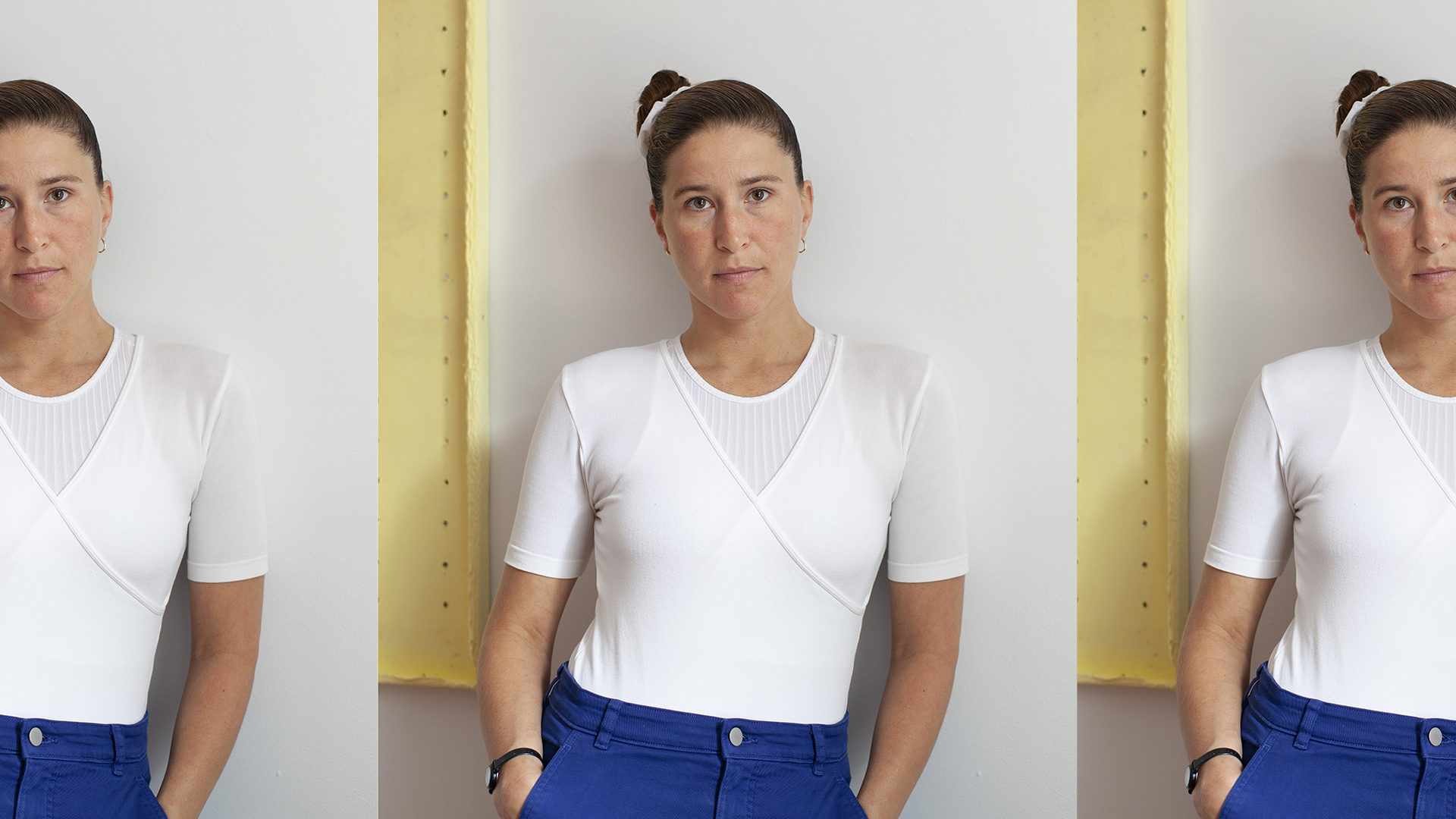
Dufresne approaches her work through a lens shaped by scenography, the practice of creating stage environments or atmospheres. That influence is immediately visible in how objects are placed, experienced, and understood in space. “I’m a lamp and set designer, and one of the organizers of the collective Ensemble,” she says, describing a practice that moves fluidly between disciplines.
Her path into design was not defined by a single moment, but by something more constant. “I guess for me there wasn’t a moment,” she reflects. “It was always there.” That sense of continuity carries through her work today, particularly in her approach to visual language. Trained in scenography, she developed a strong foundation early on, one that continues to shape her work across different mediums. “My signature, or at least my roots, are still very visible,” she explains.
Over time, her practice has expanded and refined, especially in the field of lighting design. “When it comes to lighting design, my approach has changed completely over the past decade,” she says. “I taught myself the craft, gained expertise at every level, and my style has refined itself into something that is both recognizable and distinctly my own.”
That evolution is evident in the pieces she presented within ‘Pot-au-feu’, including ‘The Pleine Fleur’ and the glass ‘Toucan’. Each object carries a sense of singularity, shaped through material, form, and the way light interacts with both. “I hope the pieces will surprise and resonate through their craftsmanship and singularity,” she says. “That their forms, materials, and light will find their way into new spaces and future projects.”
Her inspirations are wide-ranging, moving between disciplines and scales. “My sources of inspiration are diverse,” she notes. “A blend of the design I encounter, theatre, works of art, architecture, and the forms found in nature.” At times, these influences are more intuitive, emerging through direct exploration of material and form rather than through a fixed reference point. This balance between intention and instinct is reflected in the atmosphere of the exhibition itself.
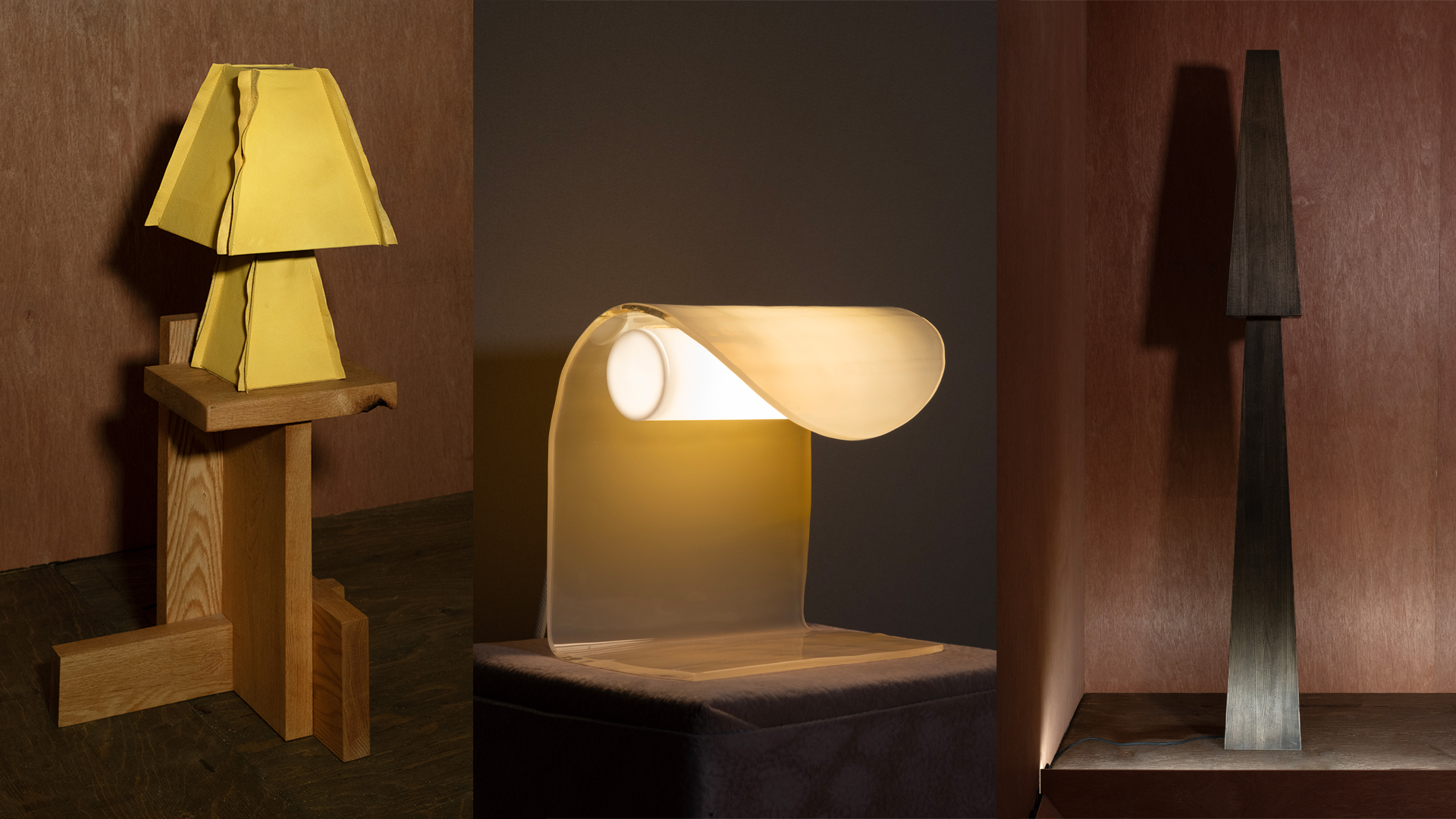
The exhibition also reflects a broader commitment to exchange between cities and creative communities. “It feels important to us to create more opportunities for exchange between Montreal and Toronto,” she explains. “Two major metropolitan centres.”
As part of Ensemble, Dufresne and her collaborators have created a platform that brings together designers across regions, allowing for new conversations and connections to emerge. This year marked her second time participating in DesignTO, and the experience has remained consistent. “Both experiences have been exceptional in every way,” she says. “We feel very warmly welcomed by the people of Toronto, and we truly appreciate their warmth, curiosity, and enthusiasm.”
That sense of welcome has played a role not only in exhibiting work, but in shaping the collective itself. “It was in the context of the festival that we launched the collective Ensemble,” she shares. “This adventure will always hold a special place in my heart.” In ‘Ensemble presents: Pot-au-feu’, design becomes a shared experience. Objects are not isolated, but exist in relation to one another, to the space, and to the people moving through it. The exhibition invites a different way of seeing, one shaped as much by atmosphere and exchange as by the objects themselves.