Recipient of the Best in Festival: Event Award, 2026 DesignTO Awards
Each year, the DesignTO Awards celebrate designers whose work expands how we think about design and its role in shaping the world around us. Through our Awards Recipient Spotlight series, we’re highlighting the artists and designers behind this year’s winning projects.
What if the materials we use every day could be grown, shaped, and returned to the earth?
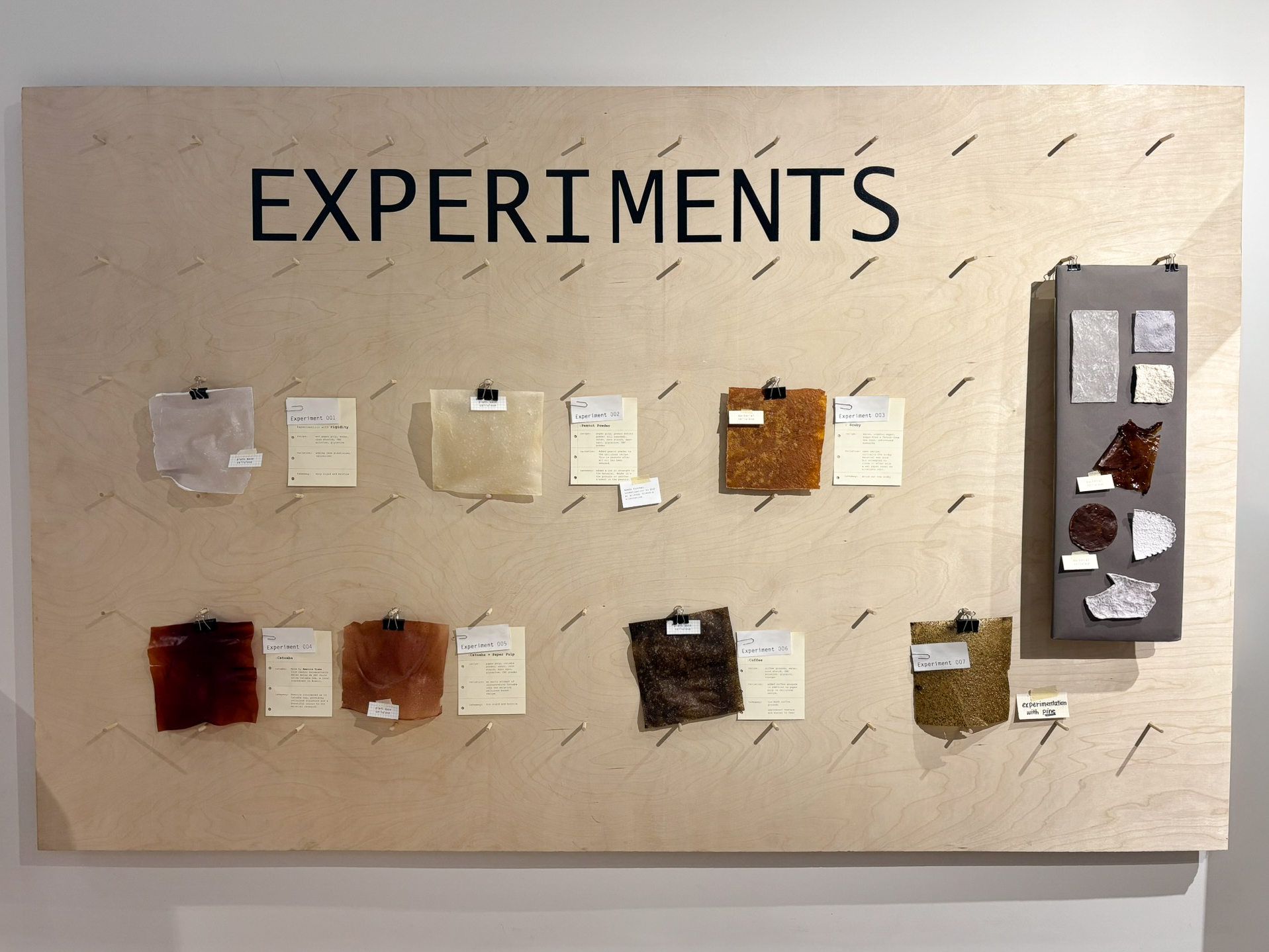
For Becca Wakefield, this question guided ‘Exploring Biomaterials in Textile Application’, the Best in Festival: Event Award-winning project presented at the 2026 DesignTO Festival through DESIGNwith. The event brought together research, experimentation, and hands-on learning to explore how plant-based and bacterial cellulose materials might offer alternatives to single-use plastics.
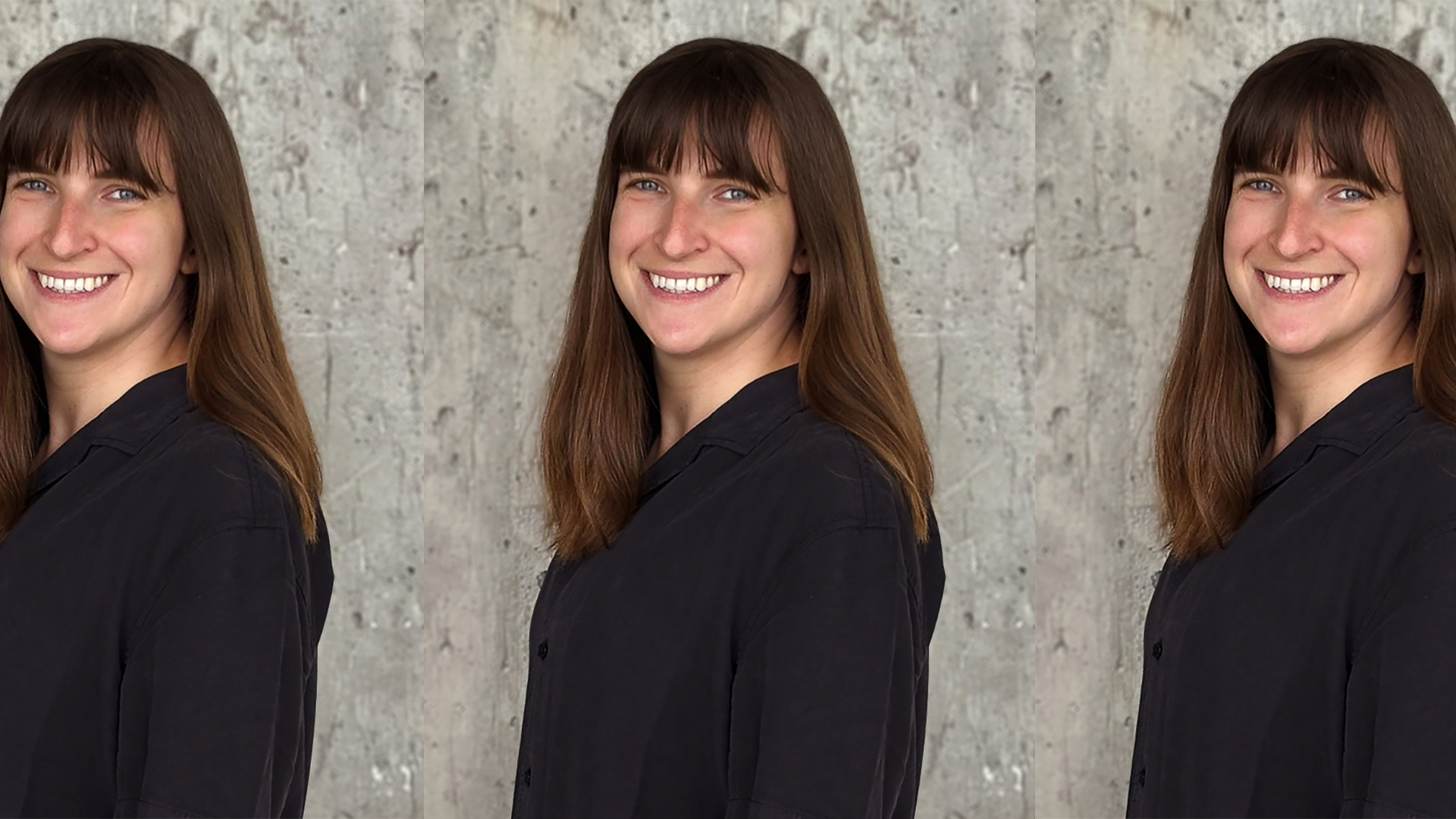
“I’m an industrial design student and crafter motivated by the joy of making things,” Wakefield explains. Her work sits at the intersection of function and meaning, grounded in a curiosity about how objects exist in everyday life. Through her work at DESIGNwith, she has been developing biomaterials into sheet-like forms that can be used in applications ranging from packaging to wearable objects. The process is as important as the outcome.
“This research’s outcome isn’t just a product,” she says, “but a deeper understanding of how materials can be tailored to their use and lifespan.” That focus on making and material experimentation has been a constant throughout her path into design. “Ever since I was a kid, I have always loved crafting, problem solving and making things,” she says. “Seeing something move from concept to object and how that object could shape someone’s experience is really interesting to me.”
Working physically, through prototyping and iteration, became a way of thinking through ideas. It also shaped Wakefield’s perspective on design as a tool for questioning existing systems. “I love how design feels like a way to think through the world with an idealistic lens,” she explains. “Not just take the norm as a status quo.”
In recent years, that thinking has evolved toward a deeper engagement with sustainability. “My work has shifted to thinking more deeply about longevity,” she says, “and aligning an object’s lifespan to its use.” This approach challenges conventional ideas of durability and permanence. Instead, it asks whether objects should last forever, or whether their lifespan should reflect their purpose. “Whether it be a durable chair that lasts a lifetime, or packaging that decomposes quickly after it’s no longer of use.”
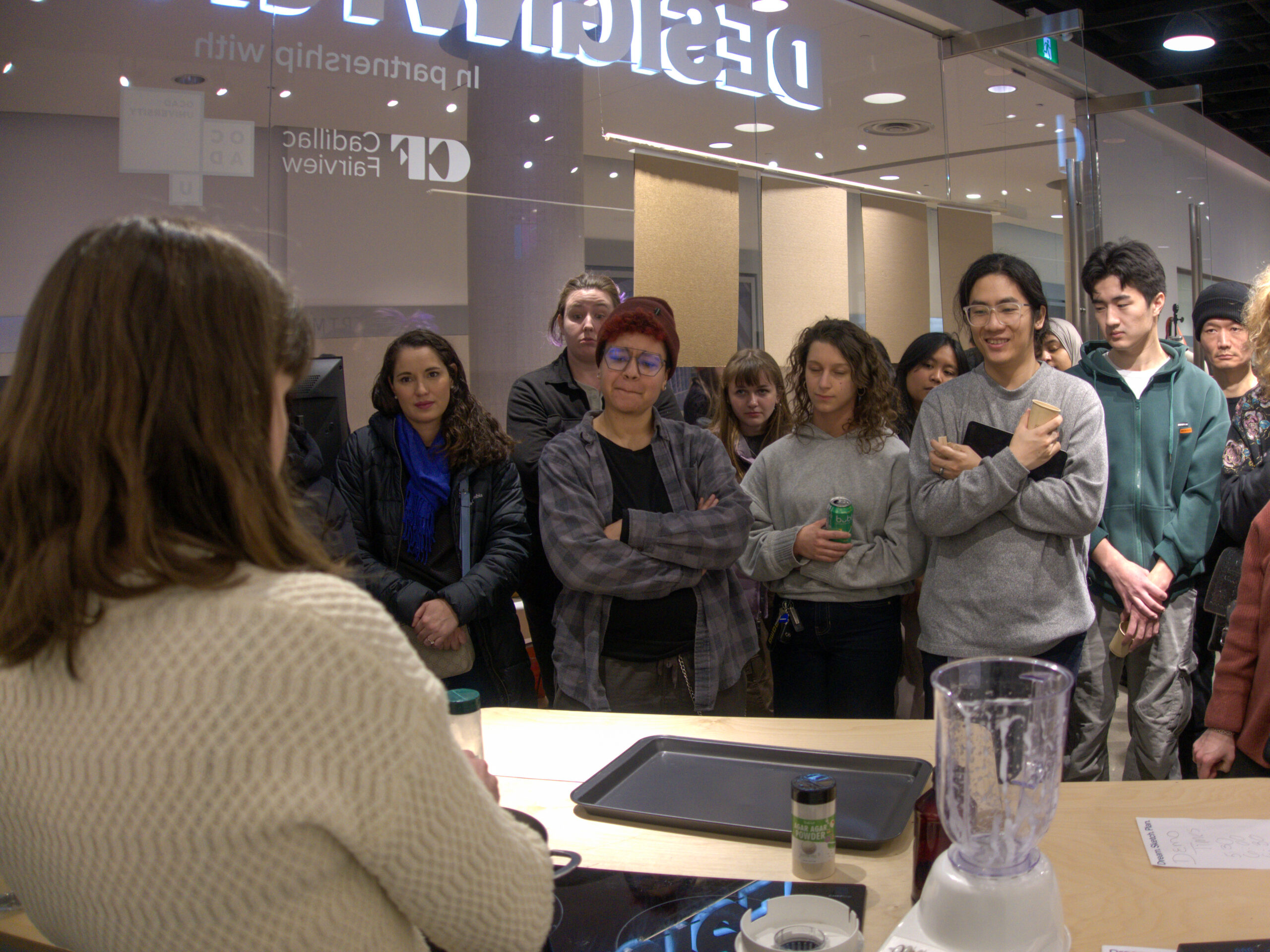
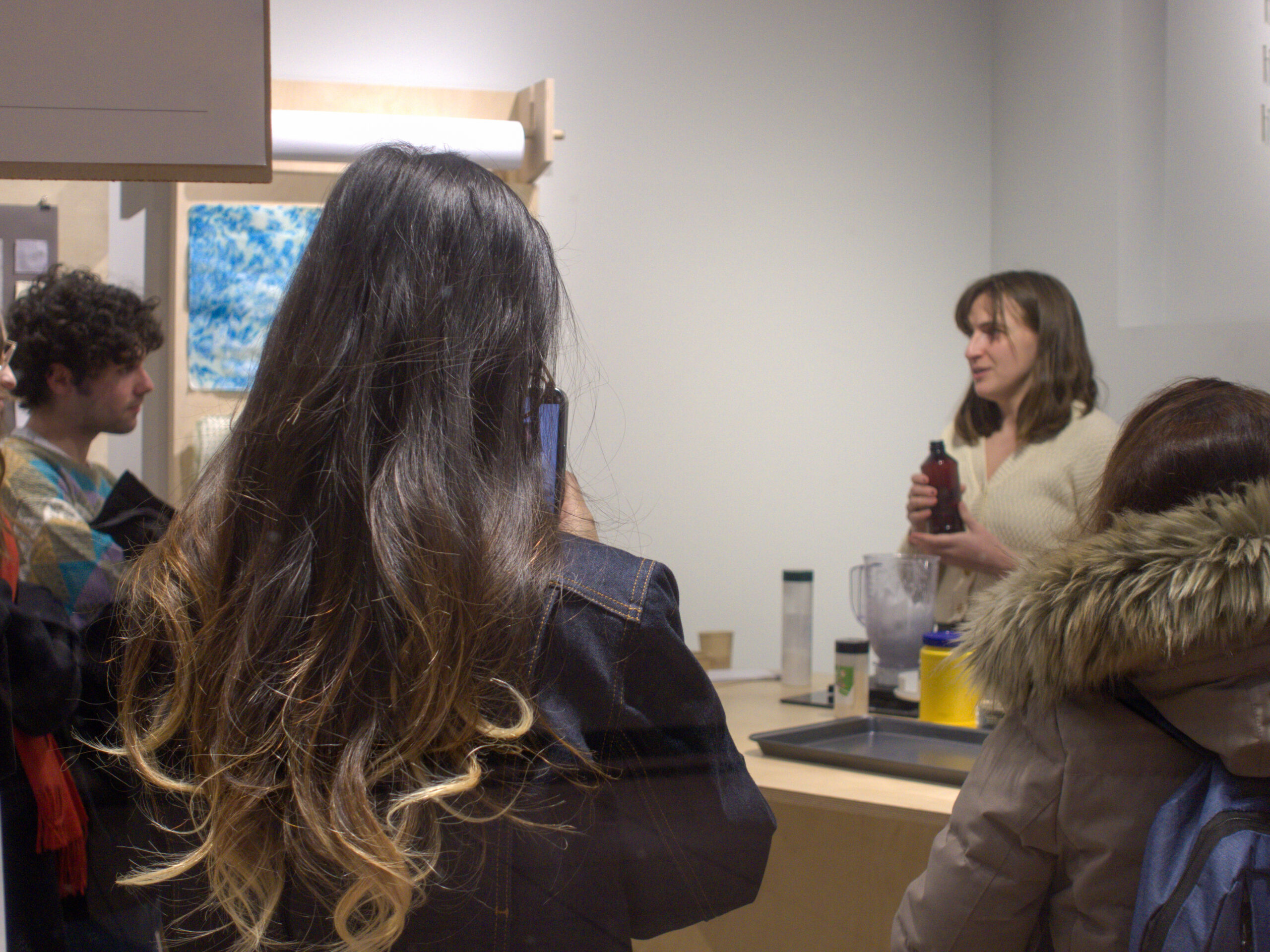
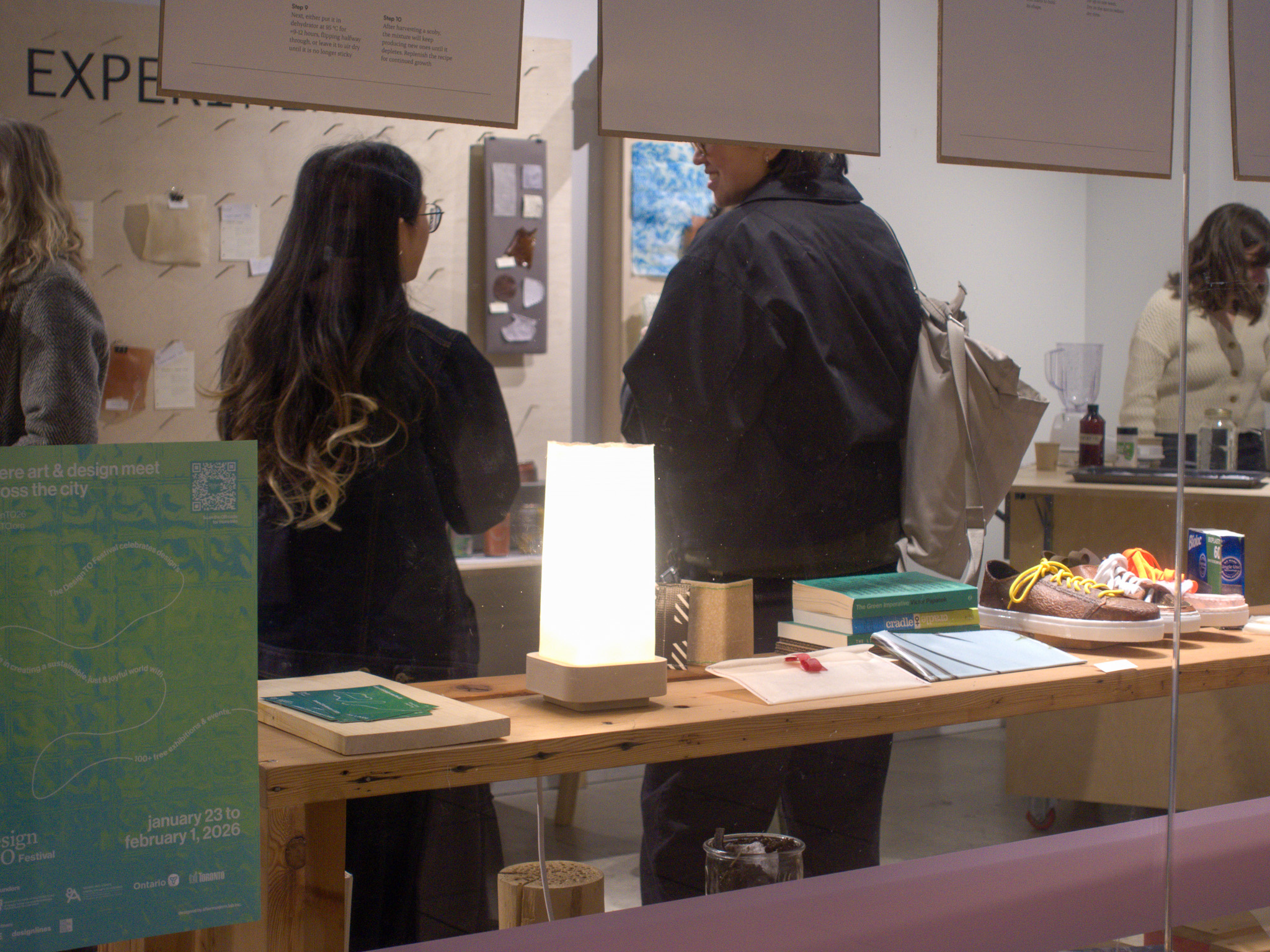
At their DesignTO Festival event, these ideas were brought into a shared, interactive environment. ‘Exploring Biomaterials in Textile Application’ showcased both the successes and failures of material experimentation. Visitors encountered prototypes including single-use packaging, shoes, and lamp shades, all made from plant and bacterial cellulose. “We displayed our biomaterials experiments, both failures and successes,” Wakefield explains. “And shared our recipes and showed demonstrations to empower visitors to create their own biomaterials at home.”
This emphasis on openness and accessibility was central to the experience. The event was not only about presenting finished work, but about inviting participation and encouraging others to experiment. Wakefield’s inspiration is rooted in both observation and curiosity. “The absolute magic that is nature,” she says simply. That sense of wonder carries through her work, where natural processes become a starting point for design exploration.
Her connection to DesignTO began through participation in youth workshops, an experience that left a strong impression. “Last year I participated in the DesignTO Youth program,” she says. “These were very interesting and I enjoyed it a lot. I highly recommend any youth interested in design to take advantage of this amazing, free opportunity.”
That accessibility remains one of the most important aspects of the Festival for her. “I love how DesignTO creates a space where design can be accessible to everyone interested in art and design,” she explains. “Without the burden of financial barriers or general exclusivity.” For Wakefield, the Festival creates opportunities not only to share work, but to rethink how design is experienced and who it is for.
Through ‘Exploring Biomaterials in Textile Application’, design becomes something participatory and evolving. Materials are not fixed, but responsive. Knowledge is not closed, but shared. It invites a shift in perspective, from consuming materials to understanding them, shaping them, and imagining what they could become.