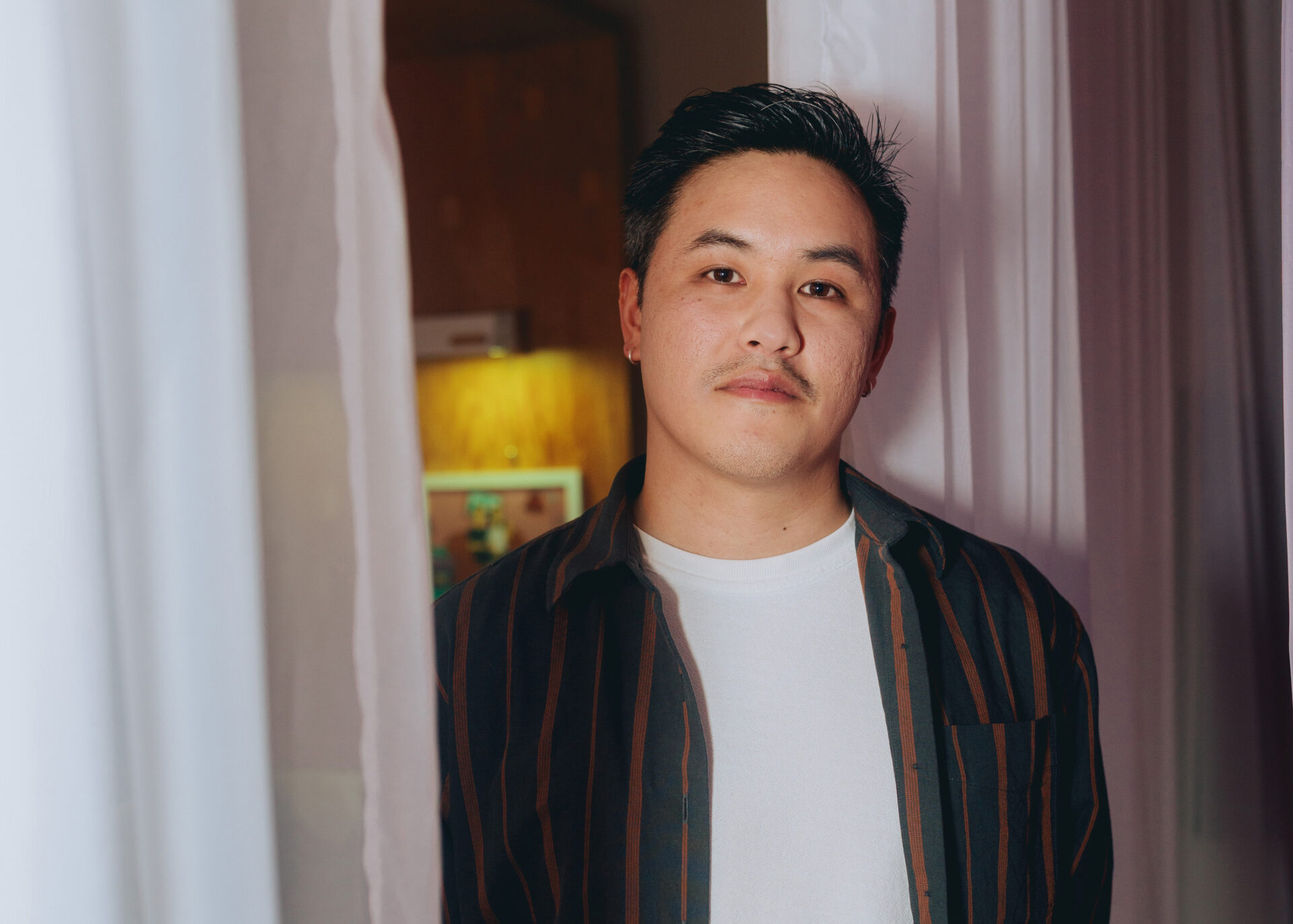
Quan Thai: Recipient of the 2026 DesignTO Founders’ Award
Each year, the DesignTO Awards celebrate designers who expand how we think about design and its role in shaping the world around us. Through our Awards Recipient Spotlight series, we’re highlighting the artists and designers behind this year’s winning projects.
What makes a home feel like home?
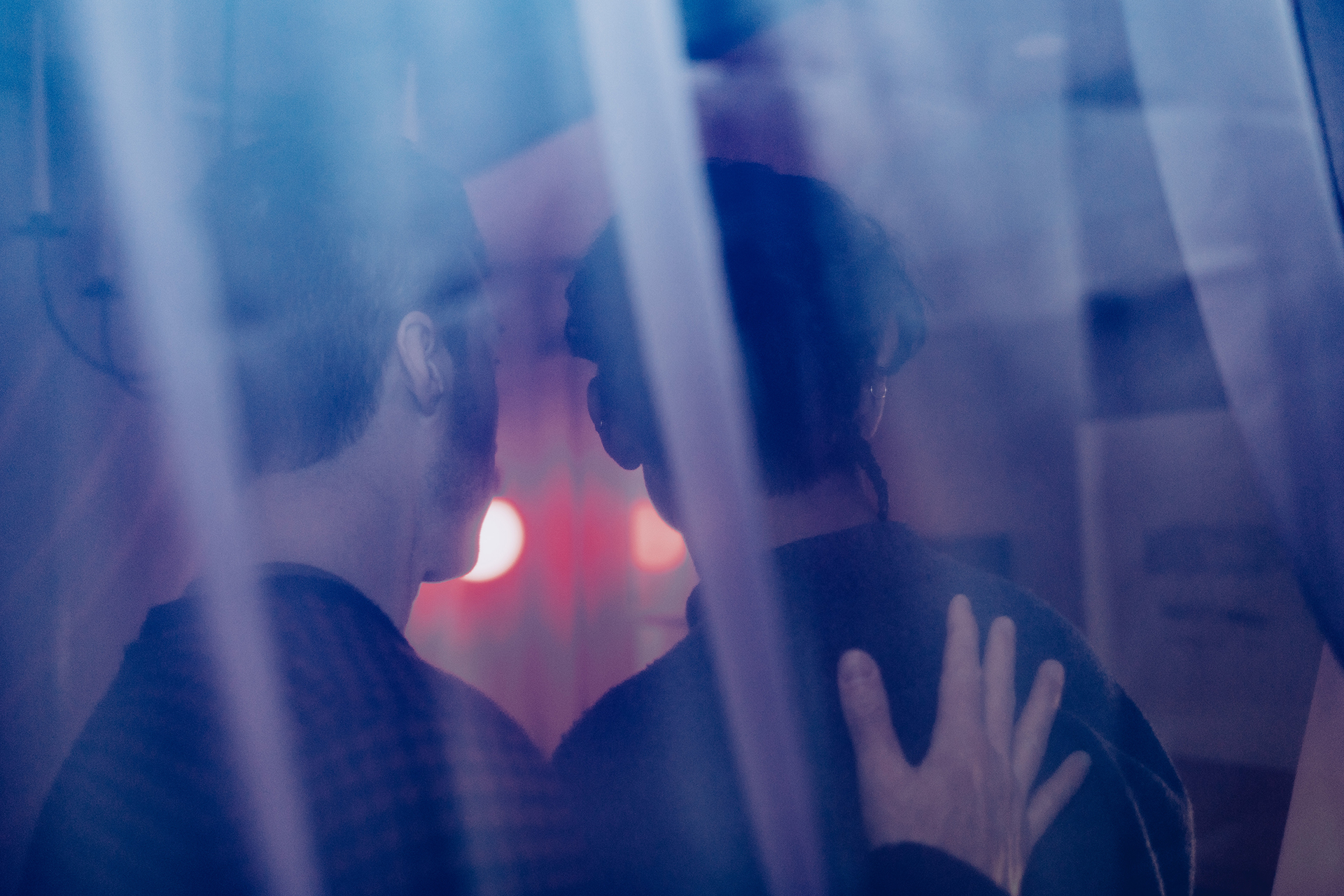
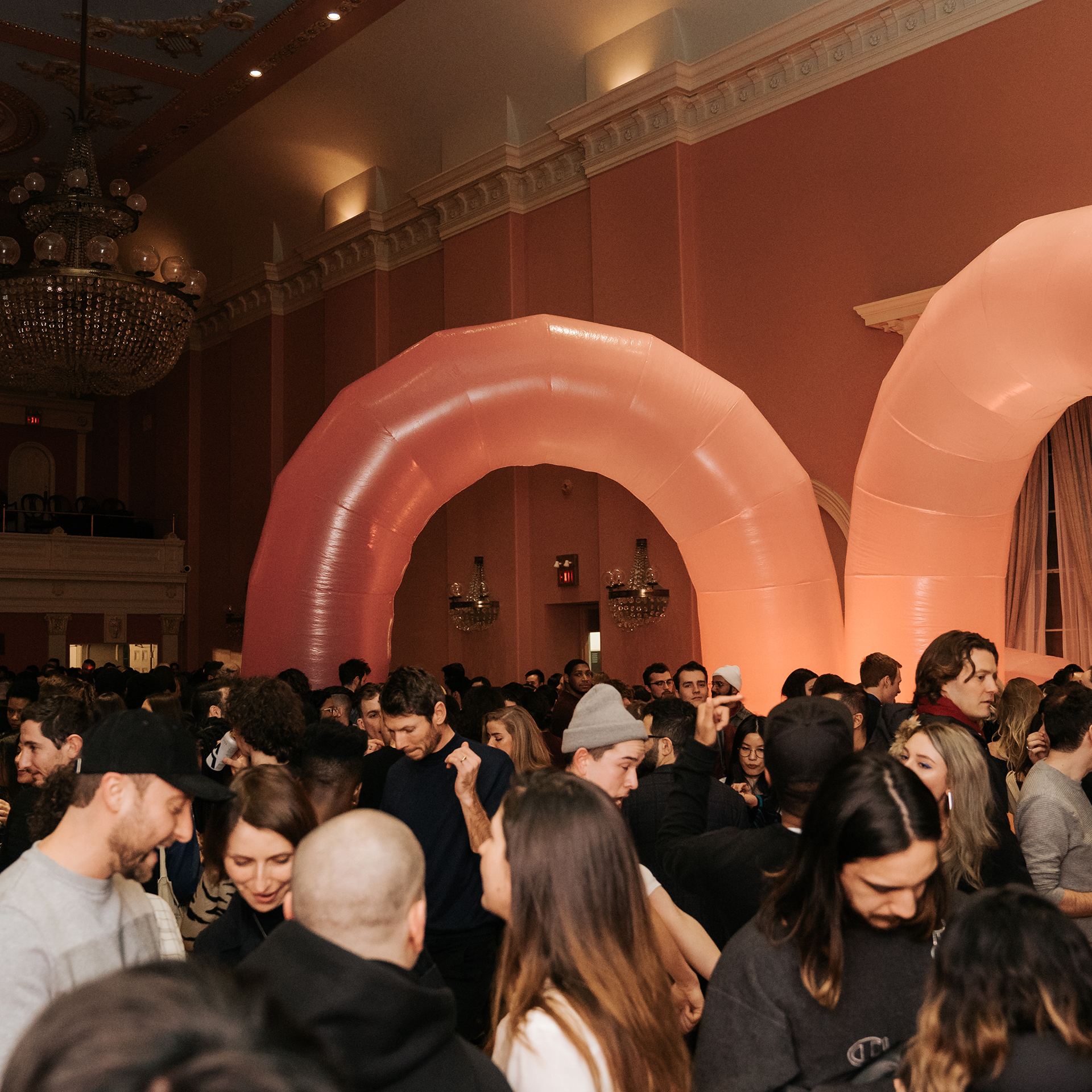
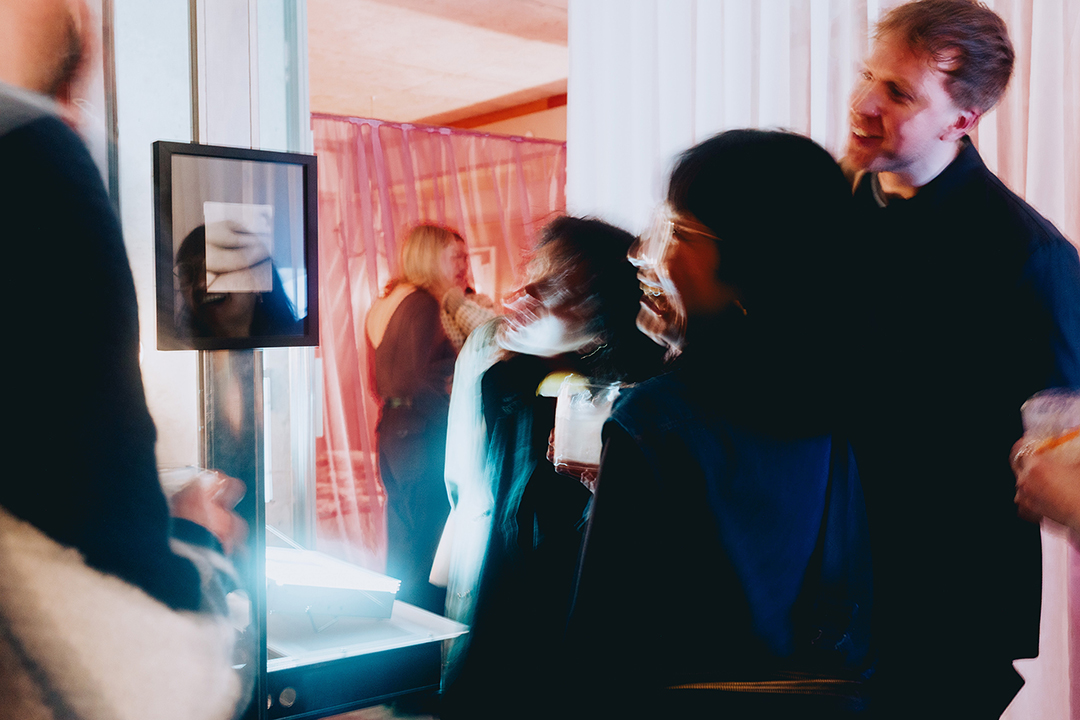
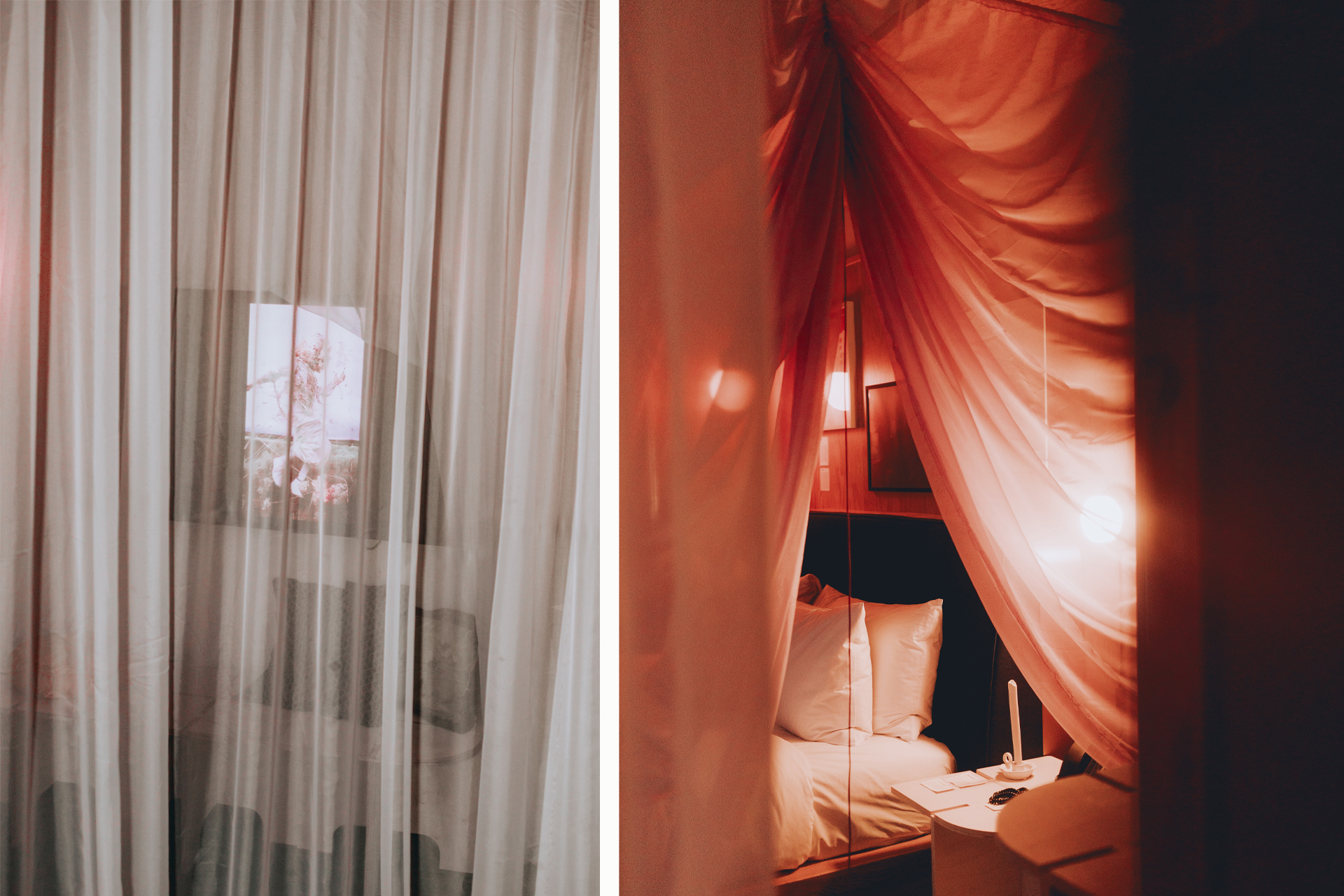
For architect Quan Thai, this question sits at the core of ‘TO·BE·LONGING: Portraits of Queer Living’, the exhibition that earned him the 2026 DesignTO Founders’ Award. Presented at the Ace Hotel Toronto, the project reimagines domestic space as something fluid, personal, and deeply tied to identity.
Rather than presenting a fixed idea of home, the installation brings together objects contributed by members of the queer community across North America, each carrying its own story. The result is a space that feels both intimate and collective, where visitors are invited to reflect on how environments can hold memory, belonging, and self-expression. “Ultimately, I wanted the space to be evocative,” Thai explains. “A place where people could see themselves, or perhaps question what ‘home’ has meant in their own lives.”
Thai’s approach to architecture has evolved significantly over time. Trained in a more traditional model, his early work followed a more conventional trajectory. Over the course of his career, his focus has shifted toward something more expansive, one that embraces storytelling, subjectivity, and lived experience. “I was trained more traditionally as a capital ‘A’ Architect,” he notes, “but over time, my interests have expanded into how architecture can operate beyond building, how it can hold narrative, identity, and emotion.”
That shift builds on an early instinct toward making and constructing, something he traces back to childhood. “I have fond memories of drawing and building small bird houses with my dad as a kid,” he recalls. “Our backyard birds were my first clients.”
Today, Thai’s work is shaped less by rigid frameworks and more by dialogue, an ongoing exchange with people and communities that informs how space is conceived. “I get very inspired talking to individuals and hearing about their experiences,” he says. “Those conversations often become the starting point for how I think about design.” This emphasis on lived experience is central to ‘TO·BE·LONGING’, where the domestic sphere becomes a site of both vulnerability and agency. The exhibition challenges conventional ideas of home, particularly within the context of queer identity, where space is often negotiated rather than given.
Thai’s influences are wide-ranging, spanning disciplines and approaches. “I don’t think I’d be able to list all the designers and artists who influence me,” he admits, pointing instead to a network of colleagues and peers, and a broader ecosystem of ideas, conversations, and references that continue to shape his work.
Since becoming involved with DesignTO in 2023 with the exhibition ‘Ontario Place – Narrating Past, Present, and Potential’, Thai has found the Festival to be a meaningful platform for this kind of exploration. It offers a space where projects like ‘TO·BE·LONGING’ can exist outside the constraints of traditional architectural practice. “DesignTO has provided an extremely accessible platform to test ideas and share work,” he says. “It creates opportunities to engage with audiences in a way that feels open and immediate, which is not always possible in other contexts.”
For Thai, that accessibility is key, not only for his own practice, but for the broader design community. It allows for experimentation, dialogue, and connection across disciplines and perspectives. Now based outside of Toronto, Thai reflects on the city and its creative community with a renewed sense of appreciation.“Having moved out of Toronto recently, I’ve realized how important spaces like DesignTO are,” he shares. “They bring people together in ways that extend beyond the work itself.”
In ‘TO·BE·LONGING’, architecture becomes less about permanence and more about possibility, a way of holding space for stories that are often overlooked, and for identities that continue to evolve. It leaves us with an open question. Not just what home is, but what it could become.